
While this legislation is helpful, it is time that India starts either exploring the prospect of having a legislation that deals with deepfake generation by AI or having an AI legislation in place that penalizes the unauthorized use of deepfakes.
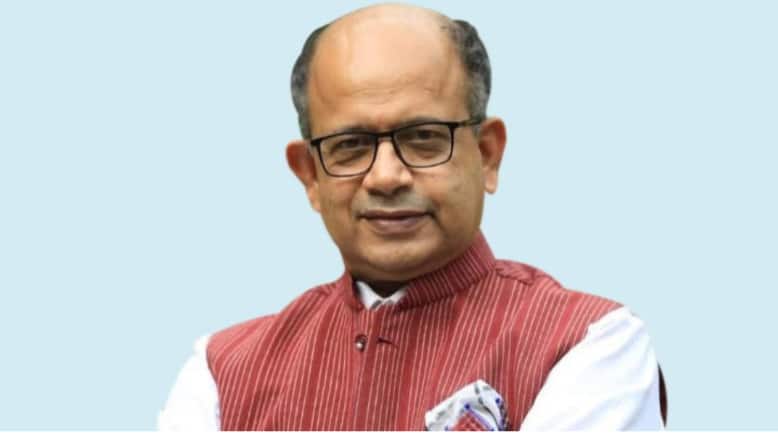
Dr. Amar Patnaik, lawyer and Founding Partner of A&N legal Solutions LLP, a former CAG bureaucrat & former Member of Parliament in the Rajya Sabha from Odisha’s Biju Janta Dal.
The discussion about the pitfalls of using Artificial Intelligence (AI) has recently been dominated by its ability to generate deepfakes, as has been evidenced in election campaigns and the rising phenomenon of “deepfake pornographic content”. Recently, the Delhi High Court, Aishwarya Rai Bachchan v. AishwaryaWorld.com & Ors has addressed the issue of commercial exploitation of personality rights by AI. This is a landmark order by the court as it reaffirmed the right to dignity and privacy of celebrity Aishwariya Rai Bachchan while protecting her personality rights that were being commercially exploited through the use of AI. The same Court also passed a similar order protecting the personality rights of Abhishek Bachchan.
Time for Judicial Recognition of Personality Rights
The judiciary has been witnessing a rise in litigation surrounding the protection of personality rights, as actors, film makers, and other celebrities have been increasingly knocking on the Court’s door for protection from unauthorised commercial exploitation that is a result of generative content that is being generated by AI on a massive scale. It is worth noting here that it is not deepfakes that are impacting the celebrities’ personal rights, but also morphing and digital manipulation that is harming them.
Also Read: https://db.financialexpressb2b.com/author/vinay-konanur-vice-president-emerging-tech-unext
Over the years, the jurisprudence on judicial recognition of personality rights has developed as courts have granted relief to celebrities. As AI models continue to be deployed on a large scale basis, similar matters are going to keep coming up before the court. While reliance on judicial precedents can help address certain nuances of the issue, it is time that India considers adopting legislation directed at protecting the personality rights of celebrities. This will prevent the judiciary from being overburdened with similar matters.
Existing Jurisprudence on Personality Rights
In the past, Courts have equated the protection of personality rights to that of trademark protection as seen in the case of Arun Jaitley vs. Network Solutions Pvt Ltd. However, one of the first judgements that dealt with the commercial exploitation as a result of the violation of personality rights is D.M Entertainment House vs Baby Gift House. In this case, the plaintiff was artist Daler Mehendi, who established D.M Entertainment House and obtained a registered trademark for the letter DM. This meant that the right of publicity, commercial endorsement, and other associated rights were owned by the company. The defendant was the owner of toy and gift shops across Delhi, who was selling unauthorised Daler Mehendi speaking dolls. To provide relief to the plaintiff, the Court relied on the provisions of trademark law, such as passing off and false endorsement, as there was and continues to be no specific legislation that deals with personality rights.
In such a scenario, Article 21 of the Indian Constitution, which guarantees the Right to Privacy, and India’s Intellectual Property Framework have come to the Court’s aid while dealing with the issues concerning violation of property rights. However, the unprecedented use of AI to generate sexually deepfakes of celebrities, along with using them for unauthorised endorsement, is a new challenge before the Courts.
Relief Granted by the Court
In the interim injunction granted by the Court, Aishwariya Rai Bachchan has been granted temporary protection as several websites, companies and unidentified websites have been restrained by the Court from using her images or any associated aspect of her personality, such as her name from being used for personal or commercial gain. It is noteworthy that the Court has specifically restrained the use of AI to generate any deepfakes or circulate them, along with any form of digital manipulation. To ensure the implementation of the relief, the Court has directed the Ministry of Electronics and Information Technology to issue blocking orders for URLs that are housing content.
Solutions for Addressing the Problem of Deepfakes
At the core of the personality rights matters that are coming up before the court is the issue of generation and dissemination of deepfakes, which are enabling the commercial exploitation of the celebrities' interest. It is different from how personality rights violations used to play ot in the past- as they were still easier to identify and shutdown. However, the massive scale on which AI models are used to generate deepfakes makes it an extensive exercise for the government to shut down such websites that indulge in these practices.
When we talk about personality rights, perhaps reliance can continued to be placed on judicial precedents as there is no specific legislation that deals with it. However, deepfakes regulation is another issue that warrants urgent consideration, especially when we are talking about personality rights. Currently, Section 66D of the Information Technology Act, 2000 (IT Act) punishes identity fraud and online impersonation using AI-generated deepfakes. Similarly, legislation like the Indecent Representation of Women (Prohibition) Act, 1986, that the publication of morphed images/videos of women, and the Digital Personal Data Protection Act, 2023, provides safeguards against unauthorized use of personal data in AI generated deepfakes.
While this legislation is helpful, it is time that India starts either exploring the prospect of having a legislation that deals with deepfake generation by AI or having an AI legislation in place that penalizes the unauthorized use of deepfakes. As personality right violations will continue to happen and celebrities will keep on approaching the Court, having legislation in place that deals with AI-generated deepfakes is crucial.
Empower your business. Get practical tips, market insights, and growth strategies delivered to your inbox
By continuing you agree to our Privacy Policy & Terms & Conditions